
Remote and lone workers face unique challenges. They may work away from colleagues, travel between sites, or spend long periods in isolated locations. If an accident, medical emergency or security incident occurs, immediate assistance may not always be available. This is why safety check-ins for remote workers are becoming an important part of modern workplace safety.
A safety check-in is a scheduled confirmation that an employee is safe and carrying out their duties as expected. Depending on the organisation and role, workers may be required to check in at specific times, locations or stages of a task.
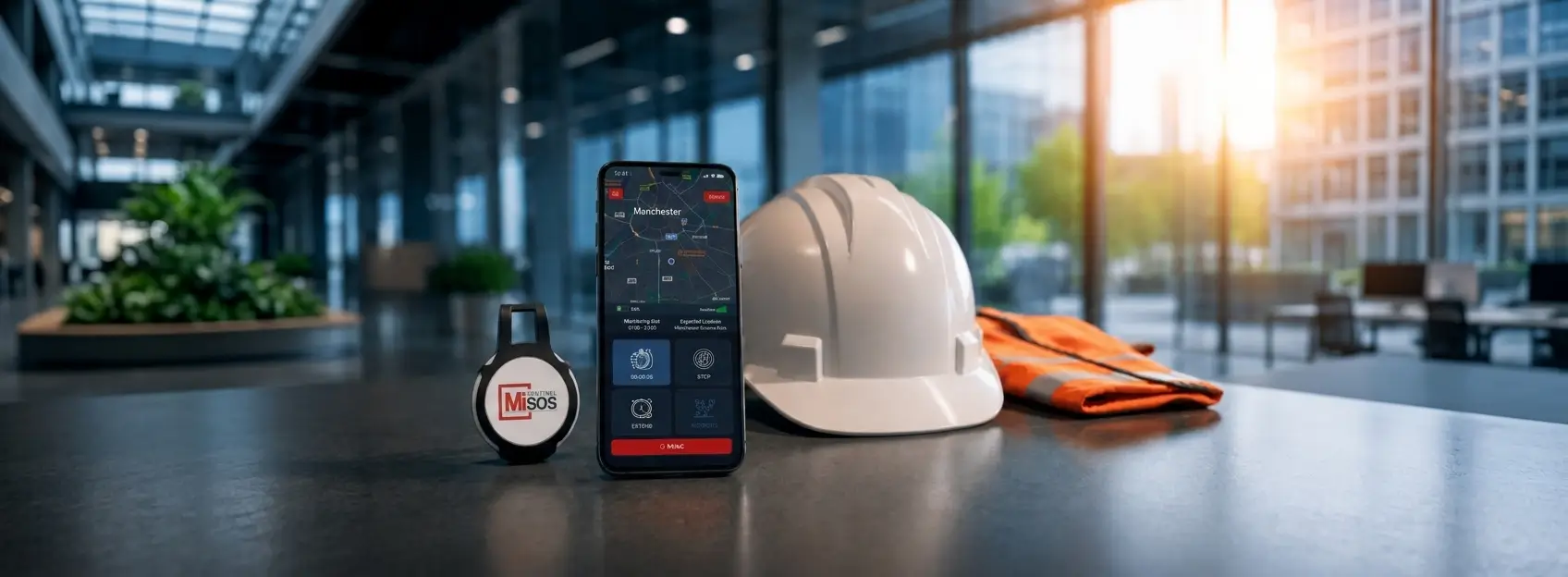
A digital lone worker check-in system can make this process easier by allowing employees to confirm their status through a mobile application. If a scheduled check-in is missed, the system can trigger an alert and allow the appropriate response process to begin.
One of the biggest risks associated with lone working is delayed awareness. When nobody is physically nearby, an incident may remain unnoticed for an extended period.
Regular employee safety check-ins provide an additional layer of monitoring. A missed check-in does not necessarily mean an emergency has occurred, but it provides an opportunity to investigate before a potentially serious situation develops.
This proactive approach can be particularly valuable for security officers, maintenance teams, housing staff, cleaners, engineers and facilities management professionals who regularly work alone.
Technology can significantly strengthen traditional lone working procedures. MiSentinelSOS provides a range of features designed to support lone worker safety, including scheduled check-ins, GPS location tracking, emergency alerts, fall detection and two-way communication.
These capabilities allow organisations to maintain better visibility of workers while providing employees with a direct method of requesting assistance when they need it.
Effective remote worker safety is also closely connected to an organisation’s duty of care. Employers need practical processes that help identify hazards, communicate with workers and respond appropriately when something goes wrong.
A structured lone worker monitoring solution can support these processes by creating a consistent approach to worker welfare. It can also provide organisations with greater confidence that safety procedures are being followed across different locations and working environments.
Safety check-ins are not simply about monitoring employees. They are also about reassurance.
When employees know that their organisation has a clear process for checking on their welfare, they can feel more confident while working independently. This can be particularly important for employees who regularly work late hours, travel between sites or operate in unfamiliar environments.
MiSentinelSOS brings safety check-ins and emergency response features together in one solution. By combining mobile technology, location awareness and proactive alerts, it helps organisations create a more connected approach to lone worker protection.
For businesses across security, facilities management, housing, property and other sectors, regular check-ins can help reduce the risks associated with working alone.
Safety check-ins may be simple, but they can make a significant difference when every second matters. With MiSentinelSOS, organisations can help protect their remote workforce while strengthening their overall approach to workplace safety.